
Slinger Signaller
Our Slinger Signaller Operator Training is provided in the areas of Wrexham, Flintshire, Nottingham, Stoke on Trent, Staffordshire, Lincolnshire, Warrington, Crewe, Telford, Shrewsbury, Nantwich, Chester, Deeside and beyond.
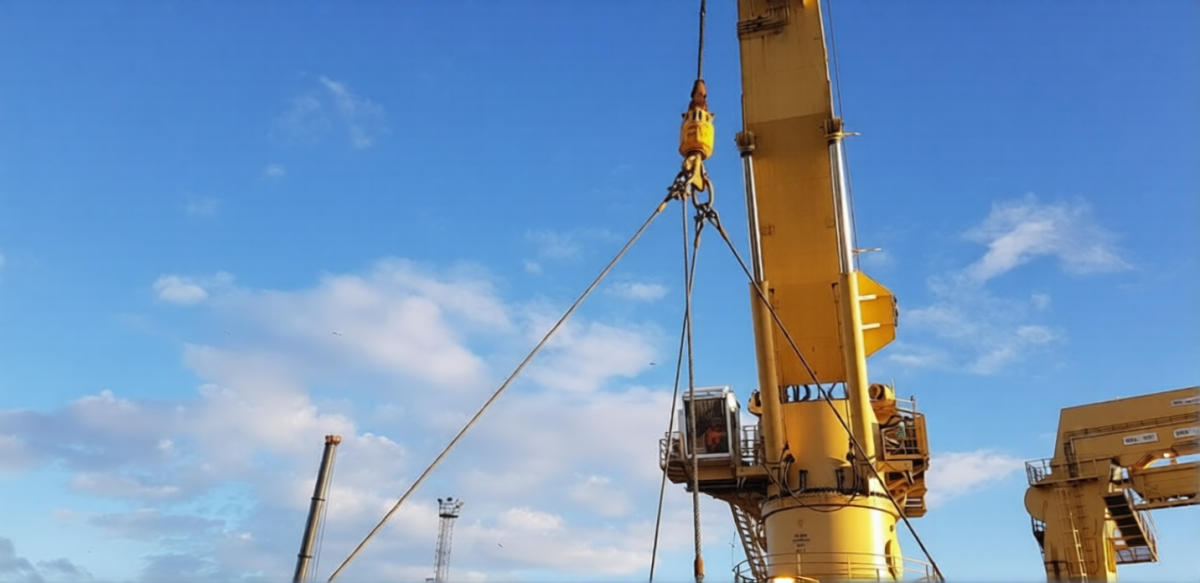
N402 NPORS/ Slinger Signaller
Our N402 NPORS Slinger Signaller training courses are set out to make sure you understand everything to do with that specific role within the construction industry. Our team will provide you with all the information you need and provide help and assistance to ensure you get the signaller/ slinger training you’re looking to acquire.
What is a Slinger Signaller?
The Slinger Signaller plays an important role in keeping construction sites and other environments that use cranes and lifting equipment safe. The role involves communicating clearly with crane operators from ground level and directing them so loads can be lifted and moved safely and efficiently.
What is Covered on the Course?
The N402 NPORS Slinger Signaller course teaches learners everything they need to know to safely direct cranes and lifting operations using recognised industry standards.
Learners are trained to use standard hand signals that follow the BS 7121 Code of Practice for the Safe Use of Cranes. These signals must be clear and precise so that crane operators can easily understand instructions during lifting operations.
In poor visibility conditions such as fog or heavy rain, high visibility gloves or batons may be used instead of hand signals. Two-way radios are also commonly used when working with tower cranes where the crane operator cannot maintain line of sight.
The slinger signaller also has the authority to stop lifting operations if they believe conditions are unsafe.
Learners are trained to use standard hand signals that follow the BS 7121 Code of Practice for the Safe Use of Cranes. These signals must be clear and precise so that crane operators can easily understand instructions during lifting operations.
In poor visibility conditions such as fog or heavy rain, high visibility gloves or batons may be used instead of hand signals. Two-way radios are also commonly used when working with tower cranes where the crane operator cannot maintain line of sight.
The slinger signaller also has the authority to stop lifting operations if they believe conditions are unsafe.
Course Objectives
The course provides the theoretical knowledge and practical skills required to work safely as a slinger signaller on a construction site.
Key topics include:
Key topics include:
- The role and responsibilities of a slinger signaller
- Health and safety regulations
- Identifying risks and hazards during lifting operations
- Types of lifting equipment and accessories
- Pre-use equipment checks
- Communication methods with crane operators
- Safe working practices and exclusion zones
- Securing and balancing loads safely
Entry Requirements
Before attending the course, candidates must have passed the CITB Health, Safety and Environment Test for Operatives within the last two years.
Course Duration
NPORS courses typically last between one and three days depending on experience.
Certification
Candidates who successfully complete the course will receive an NPORS Trained Operator Card which is valid for two years. If the relevant NVQ is already held, a Competent Operator Card valid for five years can be issued.
Frequently Asked Questions
Yes, this course is accredited by both the NPORS (National Plant Operators Registration Scheme).
Before enrolling onto this course, candidates must have passed the CITB Health, Safety and Environment Test for Operatives (HS&E test) within the last two years.
If you wish to take the N402 NPORS Slinger Signaller assessment only without any training, you will need to provide evidence of your prior experience working as a slinger signaller.
If you wish to take the N402 NPORS Slinger Signaller assessment only without any training, you will need to provide evidence of your prior experience working as a slinger signaller.
The duration of the N402 NPORS course can range from one to three days depending on your level of experience and specific training requirements.
Entry-level learners with no previous experience working as a slinger signaller will normally be required to complete the full course.
If you are already experienced in the role and simply require certification of your competence, you may be eligible to take the assessment only, which usually takes just one day.
Entry-level learners with no previous experience working as a slinger signaller will normally be required to complete the full course.
If you are already experienced in the role and simply require certification of your competence, you may be eligible to take the assessment only, which usually takes just one day.